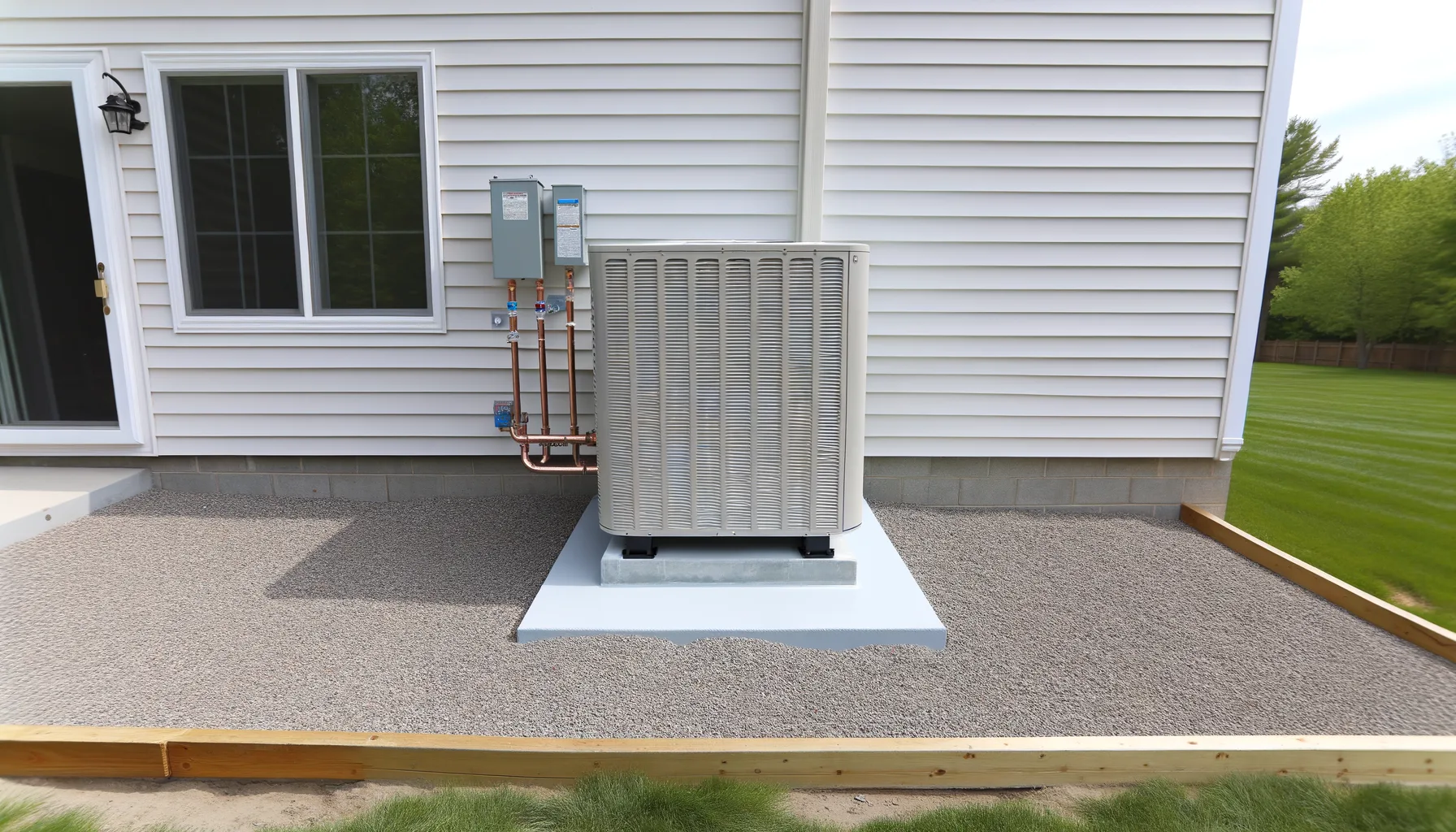
How Your AC Affects Indoor Humidity Levels in Miami
Published: 2026-06-19 · By HVACCrew AC Repairs
Picture a sweltering summer day in Miami, where the humid air clings to your skin, and the relentless sun pours through the windows. Now imagine stepping into your living room, only to be hit by a wave of warm, sticky air because your AC isn't keeping up.
For many Miami homeowners, air conditioning is more than just a luxury—it's an essential remedy against the tropical heat. However, the way your air conditioning unit interacts with indoor humidity plays a critical role in your comfort and health. Understanding this can help you avoid costly repairs while ensuring that your home remains an oasis amidst the sweltering weather outside.
Why This Matters for Miami Homeowners
Miami's hot and humid climate presents unique challenges for homeowners, particularly when it comes to managing indoor humidity levels. High humidity can lead to discomfort, mold growth, and damage to your home's interior. If your air conditioning system isn't functioning optimally, humidity can spiral out of control.
In a city known for its wet, salt air, the threat of corrosion on your AC unit increases significantly. This can lead to more frequent repairs and lower efficiency. An inefficient unit not only struggles to lower temperatures but also fails to extract humidity effectively. As a result, rooms can feel clammy and less inviting.
Expert Solutions & Actionable Tips
1. Monitor Humidity Levels Regularly
Investing in a hygrometer can help you keep track of indoor moisture levels. Ideally, indoor humidity should be between 30% and 50%. If you notice readings often exceeding this range, it’s time to assess your AC system’s performance.
In Miami, a basic hygrometer might cost around $15 to $40. By regularly checking your humidity levels, you can address potential issues before they become major problems.
2. Schedule Regular AC Maintenance
Regular maintenance ensures your AC operates efficiently. Miami’s climate can accelerate the wear and tear on your unit, especially if it’s not cleaned and checked often.
A typical AC maintenance visit might cost between $75 to $150, depending on the services provided. This proactive approach can extend the life of your unit and improve its ability to control humidity.
3. Invest in Dehumidifiers
A dehumidifier can be a game-changer for Miami residents facing extreme humidity. This appliance works hand-in-hand with your AC unit, significantly reducing indoor moisture levels.
You can find good-quality dehumidifiers starting at around $150, with more advanced options costing as much as $300. Consider this an investment in your home’s comfort and longevity.
4. Inspect Seals and Insulation
Make sure your windows and doors are sealed properly. Poor insulation can allow warm, humid air to enter your home, making your AC work harder.
The cost of resealing windows varies; typically, you might spend between $200 to $600 depending on the number of windows involved. This investment can dramatically improve energy efficiency.
5. Understand Your AC Type
Knowing whether you have a central AC system or window units can influence how you manage humidity. Central ACs are designed to handle larger spaces and manage humidity better.
If you have window units, consider complementary solutions like portable dehumidifiers to optimize performance, costing around $100 to $200.
6. Keep AC Filters Clean
Regularly changing or cleaning filters is essential for efficiency. A clogged filter restricts airflow and can exacerbate humidity issues.
Replacement filters typically range from $10 to $50 depending on the type. It’s a small price to pay to keep your AC running smoothly and your indoor air quality high.
Miami Climate & Local Context
Miami's climate is characterized by high humidity and frequent storms, creating a perfect environment for moisture-related issues. Homes often feature elevated structures and moisture barriers to mitigate the effects of local conditions. This design is crucial, as water accumulation can severely impact both HVAC systems and structural integrity.
When it comes to air conditioning repairs in Miami, local building codes and permitting can be labyrinthine. It’s vital to ensure any repairs or installations adhere to city regulations to avoid penalties.
Working with a local expert like HVACCrew AC Repairs will help navigate these codes, ensuring your AC system not only complies but also thrives in the local environment.
When to Call a Professional
While some minor issues can be managed through DIY efforts, knowing when to call a professional is key to protecting your investment in HVAC. If you experience any of the following symptoms, it’s essential to contact a technician:
- Your AC unit is making unusual sounds
- Humidity levels remain high even when the AC is running
- There are visible signs of moisture or mold
- The unit frequently turns on and off
- Ice buildup is present on the coils
- You notice an unusual increase in energy bills
These scenarios often indicate more than minor fixes are needed and can lead to significant complications if left unaddressed.
Frequently Asked Questions
What is the best way to manage humidity levels in my home?
Using a combination of high-efficiency air conditioning and dehumidifiers is often the best approach. Regular maintenance will also ensure your systems are functioning correctly.
How often should I maintain my air conditioning system?
In Miami, bi-annual maintenance is recommended due to the unique weather conditions. This helps to ensure efficient operation throughout the year.
Can too much humidity damage my AC?
Yes, excessive humidity can lead to issues like corrosion and mold, which can severely impact the longevity and performance of your AC unit.
What should I do if I notice mold growth?
It’s crucial to address mold growth immediately. Consider contacting a local expert to safely remove the mold and inspect your AC system for underlying issues.
Is a higher AC setting better for humidity control?
Not necessarily. A consistent, moderate setting is typically more effective for managing both temperature and humidity without overworking the system.
Get Expert Air Conditioning Repair Service in Miami
If you’re facing humidity issues in your Miami home, don’t hesitate to reach out to the experts at HVACCrew AC Repairs. We understand the unique challenges of local weather and are here to help you achieve optimal indoor air quality.
To schedule a service or consultation, call us today at (645) 219-1650. Your comfort is our priority.