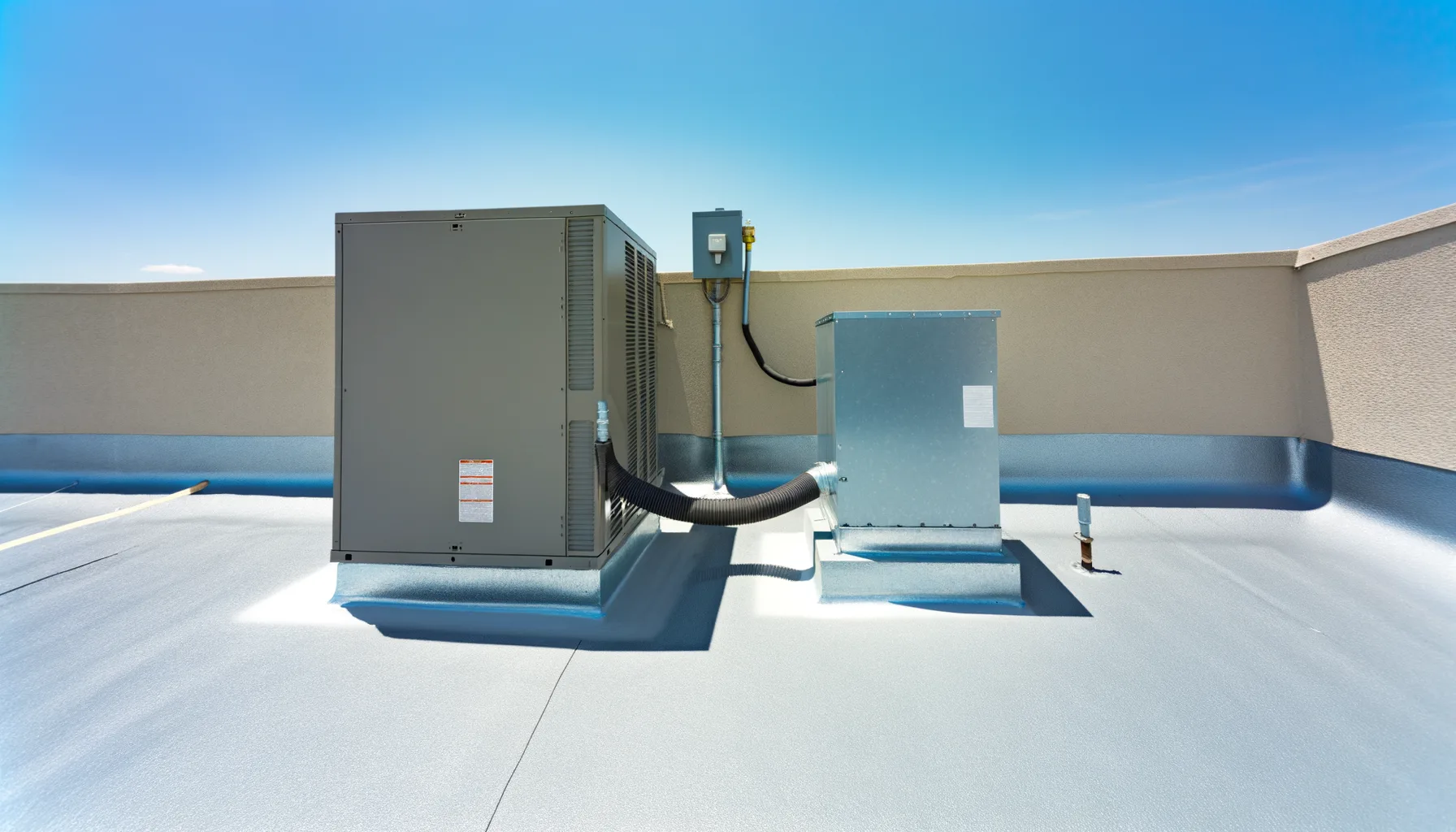
When Is AC Repair Actually an Emergency in Miami?
Published: 2026-06-19 · By HVACCrew AC Repairs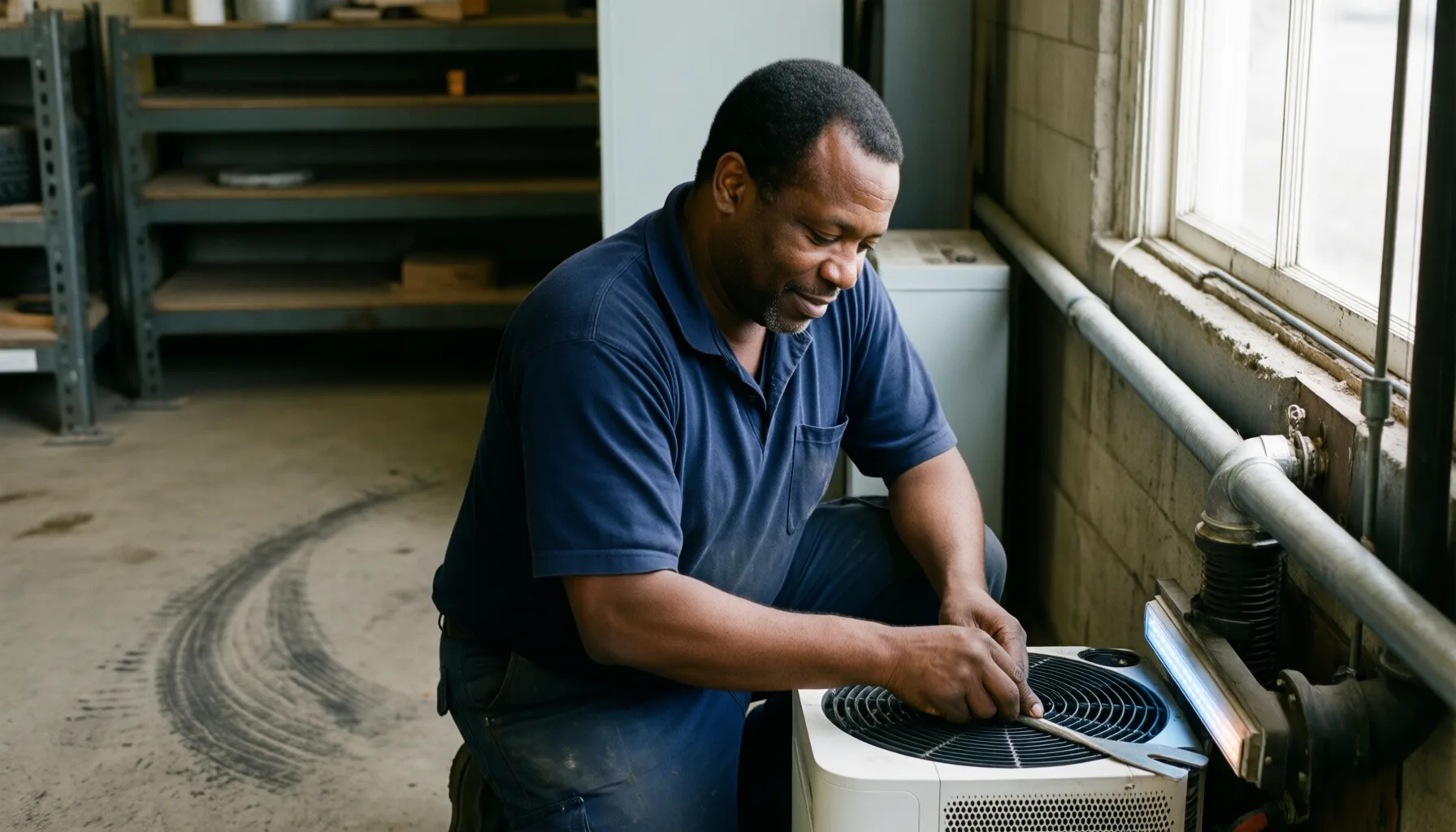
Imagine it’s the peak of summer in Miami, and you return home after a long day, only to find your air conditioning system is failing. The oppressive humidity greets you at the door, thickening the air and turning your relaxing evening into a sweat-soaked nightmare. For Miami homeowners, keeping the air conditioning running smoothly is not just a luxury, but a necessity to combat the relentless heat and humidity that define our local environment. Understanding when AC repairs become urgent can save both your comfort and your wallet. In this article, we'll dissect the scenarios that qualify as emergencies, ensuring you're prepared when temperatures rise.
Why This Matters for Miami Homeowners
In Miami, the combination of high humidity and salt air significantly affects AC systems. Over time, this can lead to corrosion, refrigerant leaks, and even complete system failures. Homeowners can inadvertently underestimate minor issues, only to find that a seemingly small problem quickly escalates into an expensive emergency repair. The local climate does not afford much room for error; the right call needs to be made promptly.
During the tropical storm season, AC problems can worsen rapidly. Heavy rains can exacerbate existing issues, revealing the necessity for immediate repairs to prevent long-term damage to your home and health. A malfunctioning air conditioning unit can leave you vulnerable to heat-related illnesses or mold development caused by excess moisture.
Watch out for warning signs like unusual noises or diminished airflow—these can indicate deeper issues at play.
Miami’s tropical environment also means the typical lifespan of an AC unit is shorter here. Frequent maintenance and prompt repairs protect your investment from the wear and tear caused by the elements, ensuring it operates efficiently and effectively.
Expert Solutions & Actionable Tips
1. 1. Signs of Short Cycling
If your AC unit is switching on and off multiple times in short periods, this is known as short cycling. This not only affects comfort but also leads to higher energy bills as the system works harder to maintain the temperature. If you notice this happening repeatedly, calling for emergency repair is advisable. Repairs for this issue typically cost between $100 to $300.
2. 2. Water Leaks Around the Unit
When you see pooling water or leaks around your air conditioning system, it signals a serious problem. Refrigerant leaks or a clogged drain line could cause moisture build-up, leading to mold growth and structural issues, which are compounded by Miami's humidity. Repairs can vary widely, costing anywhere from $150 to $600 depending on severity.
3. 3. Strange Noises and Odors
Unusual sounds like grinding, squeaking, or banging should never be ignored. These could indicate mechanical issues that require immediate attention. Likewise, any strange odors emanating from the system can signify electrical problems or mold growth, making quick repairs crucial to ensure safety. Repair costs for these issues can range from $200 to $500.
4. 4. Inadequate Cooling
If your air conditioning system is running but isn’t producing cold air, it could mean there’s a refrigerant leak or a malfunctioning compressor. In Miami’s heat, inadequate cooling can feel like an emergency. Getting it fixed can cost from $200 to $1,000, depending on the source of the issue.
5. 5. AC Won't Turn On
When your AC won’t turn on at all, especially in the middle of a heatwave, it’s critical to act fast. This could stem from electrical issues or a malfunctioning thermostat, both of which can escalate into more significant problems if left unchecked. Repair costs may run from $75 to $400, depending on the root cause.
6. 6. Frequent Repairs
If you find yourself frequently calling for repairs, it usually signals an impending system failure. Instead of patching up a failing system continuously, it may be time to consider a full replacement. Potential costs for a new system can range widely from $3,000 to $7,000, but investing in a replacement can save long-term headaches.
Miami Climate & Local Context
Miami's tropical climate, coupled with its proximity to saltwater, presents unique challenges for the air conditioning systems in local homes. High humidity levels accelerate the wear on components, while salt air can lead to the corrosion of important metal parts. Homes elevated on pilings or with moisture barriers play an essential role in preventing water intrusion but may still experience issues as ground moisture seeps into systems. Understanding these local factors is key for homeowners navigating AC repairs.
Additionally, Miami has specific building codes and permitting processes that must be followed during AC repairs or installations. Familiarity with these regulations can ensure that the work is compliant, contributing to home safety and operational efficiency. Always check with local authorities or knowledgeable contractors to ensure all repairs and replacements are performed according to standard practices.
When to Call a Professional
Determining whether to handle an air conditioning issue yourself or seek professional help can be tricky. While some minor tasks, like replacing air filters or cleaning the exterior unit, may be manageable, many issues require a trained eye to diagnose and fix correctly. Miami homeowners often find themselves wondering which route to take, especially when facing an urgent situation.
Calling an expert is advisable when encountering any of the following red flags:
- Your AC has significant refrigerant leaks.
- Electrical components emit a burning smell.
- Extensive water leaks or mold issues arise.
- The unit is more than 10 years old and repeatedly failing.
- There are unidentifiable sounds coming from the system.
- The temperature fluctuates dramatically between rooms.
- Excessive energy bills do not align with usage.
In these situations, targeting expert assistance not only saves time but can prolong the lifespan of your AC system and maintain comfort in your home.
Frequently Asked Questions
What are common AC problems in Miami?
Frequent issues include corrosion due to salt air, water leaks from humidity, and mechanical failures caused by heat stress that require prompt attention.
How often should I have my AC serviced?
It's recommended to have your AC system serviced at least once a year to ensure optimal performance and identify issues before they escalate.
What is the average cost of AC repair in Miami?
Costs for AC repairs in Miami can range from $75 for minor fixes to over $1,000 for major repairs, depending on the issue.
Should I repair or replace my AC unit?
If repair costs exceed 50% of the price of a new unit, or if the unit is aging and fails frequently, replacement is usually the more economical option.
Can you handle emergency AC repairs?
Yes, HVACCrew AC Repairs is available for emergency AC repair services, ensuring homeowners stay comfortable even during critical situations.
Get Expert Air Conditioning Repair Service in Miami
Don’t let a malfunctioning air conditioning unit ruin your comfort this summer in Miami. If you experience any of the warning signs mentioned, reach out to HVACCrew AC Repairs for swift and reliable service. Call us today at (645) 219-1650 for all your AC repair needs.
Keep cool and comfortable with HVACCrew AC Repairs—your local experts in air conditioning solutions.