How Miami's Elevation and Climate Affect AC Efficiency
Published: 2026-06-19 · By HVACCrew AC Repairs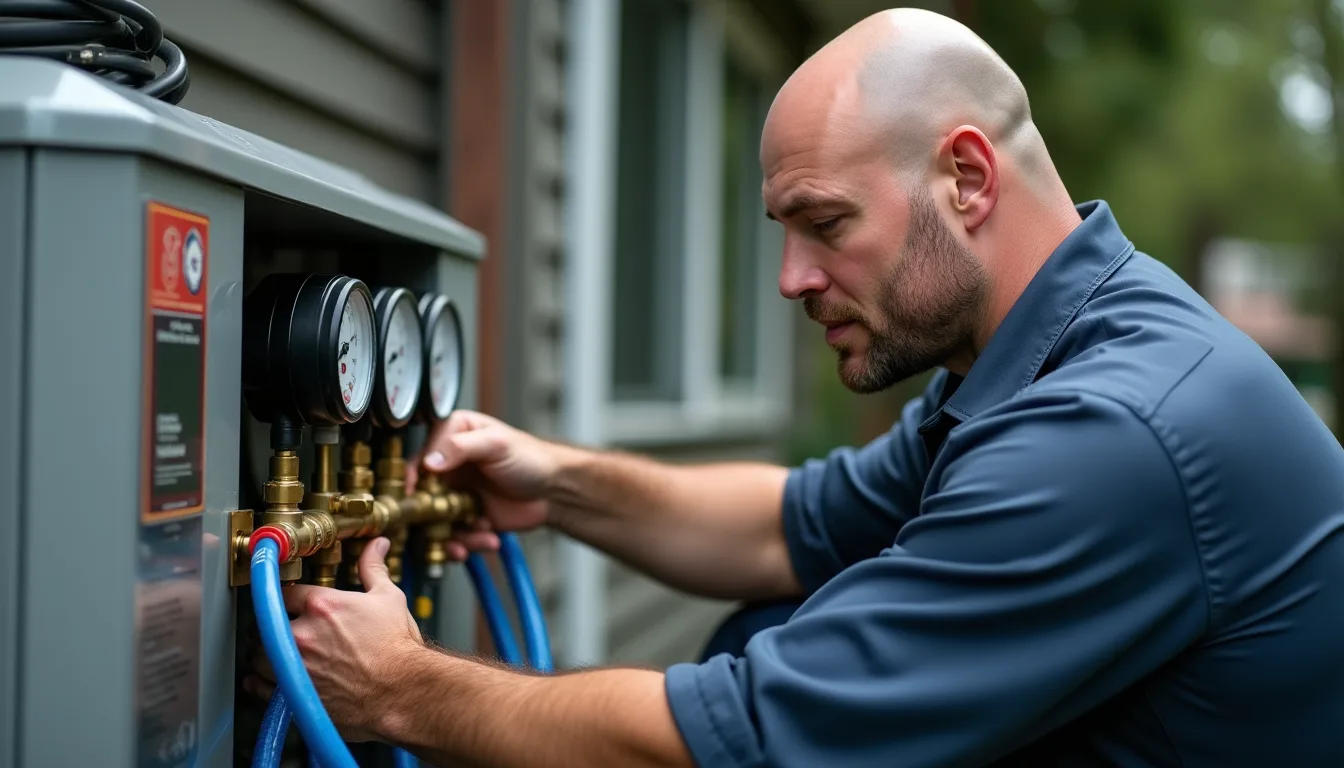
Imagine it's a scorching summer day in Miami, with humidity levels climbing and the sun beating down mercilessly. You reach for the thermostat and realize your AC isn’t cooling the house as it should. Unfortunately, this situation is all too common for residents living in this tropical paradise, where the unique combination of elevated homes and salty air significantly impacts air conditioning efficiency.
Why This Matters for Miami Homeowners
Miami's tropical climate brings relentless humidity and salt air that can wreak havoc on air conditioning units. The moisture-laden environment contributes to faster wear and tear on AC systems, leading to costly repairs or replacements. Homeowners may find that their units struggle to keep indoor areas comfortable, especially when storms are on the horizon.
The elevated nature of many Miami homes requires special considerations for HVAC systems. Moisture barriers are essential, yet, if they aren’t installed or maintained properly, they can exacerbate problems with air conditioning performance. This means residents could be paying higher energy costs due to underperforming systems.
Not only is comfort affected, but frequent service calls also add up. Preventive maintenance is not just a luxury; it’s a necessity for those living in Miami’s challenging climate. Addressing issues before they escalate can save homeowners a significant amount of money in the long run.
Expert Solutions & Actionable Tips
1. Regular Maintenance Checks
In a humid climate like Miami, performing regular maintenance on your AC is paramount. An inspection every 6 months ensures any issues are caught early. Budget around $100-$150 for a service call. Consistency is key when dealing with tropical weather.
During these checks, technicians will clean filters, check coils, and inspect refrigerant levels. Addressing small problems before they escalate can save significant costs—up to $500 on a major repair down the line!
2. Consider Upgrading Your AC Unit
If your AC unit is older than 10 years, it might be time to consider an upgrade. Newer models offer better efficiency, which can lower energy costs significantly—often by 20-30% compared to older units. Initial costs typically range between $3,000-$7,000 depending on the size and brand.
In humid climates, high-efficiency models also have better dehumidifying capabilities, making day-to-day comfort levels dramatically improve.
3. Optimize Thermostat Settings
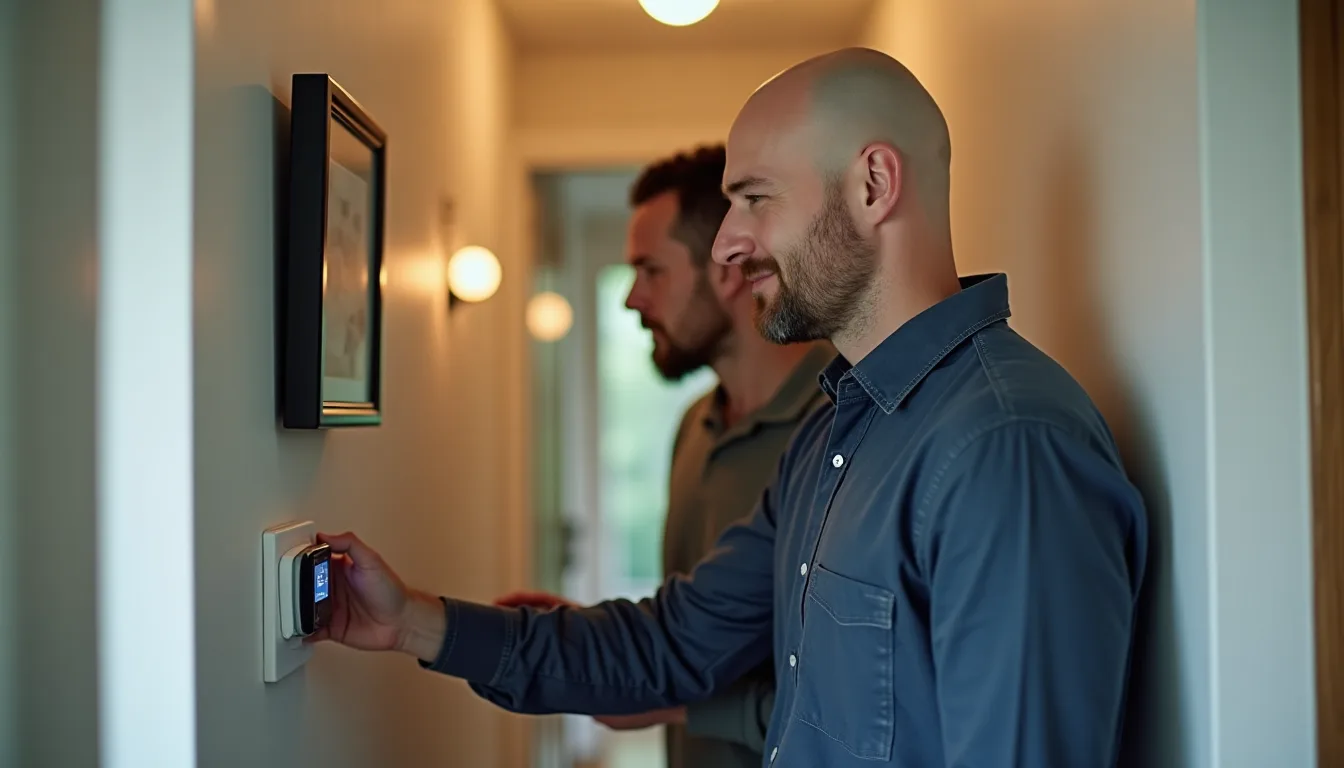
Setting your thermostat to 78°F while at home is a smart move in Miami. Each degree you raise the thermostat can save between 5-10% on your cooling bill. Not only does it enhance comfort; it prevents the AC from overworking.
Smart thermostats can be programmed to adjust settings based on your daily schedule, allowing for greater energy efficiency while still keeping your home comfortable.
4. Use Blinds and Shades Wisely
Heavy drapes or reflective shades can reduce heat gain significantly. Installing window treatments is relatively affordable, usually costing around $200-$500 per window but can lead to lower cooling costs, saving you around 10-15% on energy bills.
Optimal use of blinds during the hottest parts of the day allows your AC to run more efficiently and maintain a pleasant indoor climate.
5. Understand Local Code Requirements
In Miami, residential AC installations must comply with specific building codes. Engaging a licensed professional ensures compliance, typically costing $150-$300 for a permit.
Failing to adhere to local regulations can result in fines or lead to unsafe installations that compromise your home’s air quality and comfort.
6. Drain Line Maintenance
Blocked drain lines can cause water leaks and may even lead to damage in your home. A yearly cleaning of your condensate drain line can cost around $75-$150 but prevents costly water damage repairs that can run into thousands.
Keeping this component clean ensures moisture is removed efficiently, preventing mold and ensuring your air conditioning operates effectively.
Miami Climate & Local Context
Miami's climate plays a crucial role in the operation of air conditioning systems. The high humidity levels combined with salt air corrode metal fixtures more quickly than in drier areas, effectively shortening the lifespan of your unit. Elevated homes are designed to manage this moisture, but they also pose unique challenges for HVAC systems.
Florida's building codes require special considerations for AC systems, especially regarding moisture management. Homeowners must ensure that their systems are not only installed correctly but that they’re also maintained according to specific regulations that safeguard indoor air quality.
Understanding local conditions, such as the risk of tropical storms and hurricanes, encourages proactive maintenance measures that can mitigate damage and enhance durability for longer-lasting comfort. Investing in superior equipment and regular check-ups translates to greater resilience against the elements.
When to Call a Professional
Knowing when to tackle an AC issue yourself and when to call in a professional can save you time and money. DIY repairs are suitable for smaller issues such as changing a filter or clearing a drain line, which you can manage with relative ease. However, there are red flags that should prompt you to call a licensed HVAC technician instead.
- AC unit is blowing warm air consistently.
- Strange noises or smells coming from the system.
- Visible water leaks around the unit.
- Increased energy bills without changes in usage.
- Unit frequently cycles on and off.
- Moisture build-up on walls or ceilings.
- Unit is more than 10 years old and requires frequent repairs.
While DIY can be tempting, the consequences of mishandling a repair can lead to more severe issues, resulting in greater expenses and safety concerns.
Frequently Asked Questions
What should I do if my AC unit isn't cooling?
Check your thermostat settings and ensure filters are clean. If issues persist, call HVACCrew AC Repairs for expert diagnosis.
How often should I service my air conditioner in Miami?
A maintenance check twice a year is recommended in Florida's humid climate to ensure optimal performance.
What are the signs that my air conditioner needs replacing?
Frequent breakdowns, significant energy bill spikes, and unit age are key indicators that replacement may be necessary.
How can I improve my AC system's efficiency?
Regular maintenance, smart thermostat usage, and proper insulation can all enhance your system's efficiency in Miami's climate.
Why is my AC unit leaking water?
This could be due to a clogged drain line or a refrigerant leak. It's best to consult a professional for proper diagnosis and repair.
Get Expert Air Conditioning Repair Service in Miami
If you're facing challenges with your air conditioning system, don’t hesitate to reach out to HVACCrew AC Repairs. Their expert teams are ready to assist you with any AC-related issues.
Call (645) 219-1650 today and ensure your Miami home stays cool and comfortable, no matter how hot it gets outside!